
Documentary vs. Editorial Photography: What’s the Difference?
This is a question I get a lot—and honestly, it’s a good one. “Documentary” and “editorial” are two of those photography words that get thrown around constantly, but rarely explained in a way that actually makes sense.
So let’s break it down, human to human.
At their core, these styles come down to how moments are captured and how much direction is involved.

Documentary Photography: Letting Life Lead
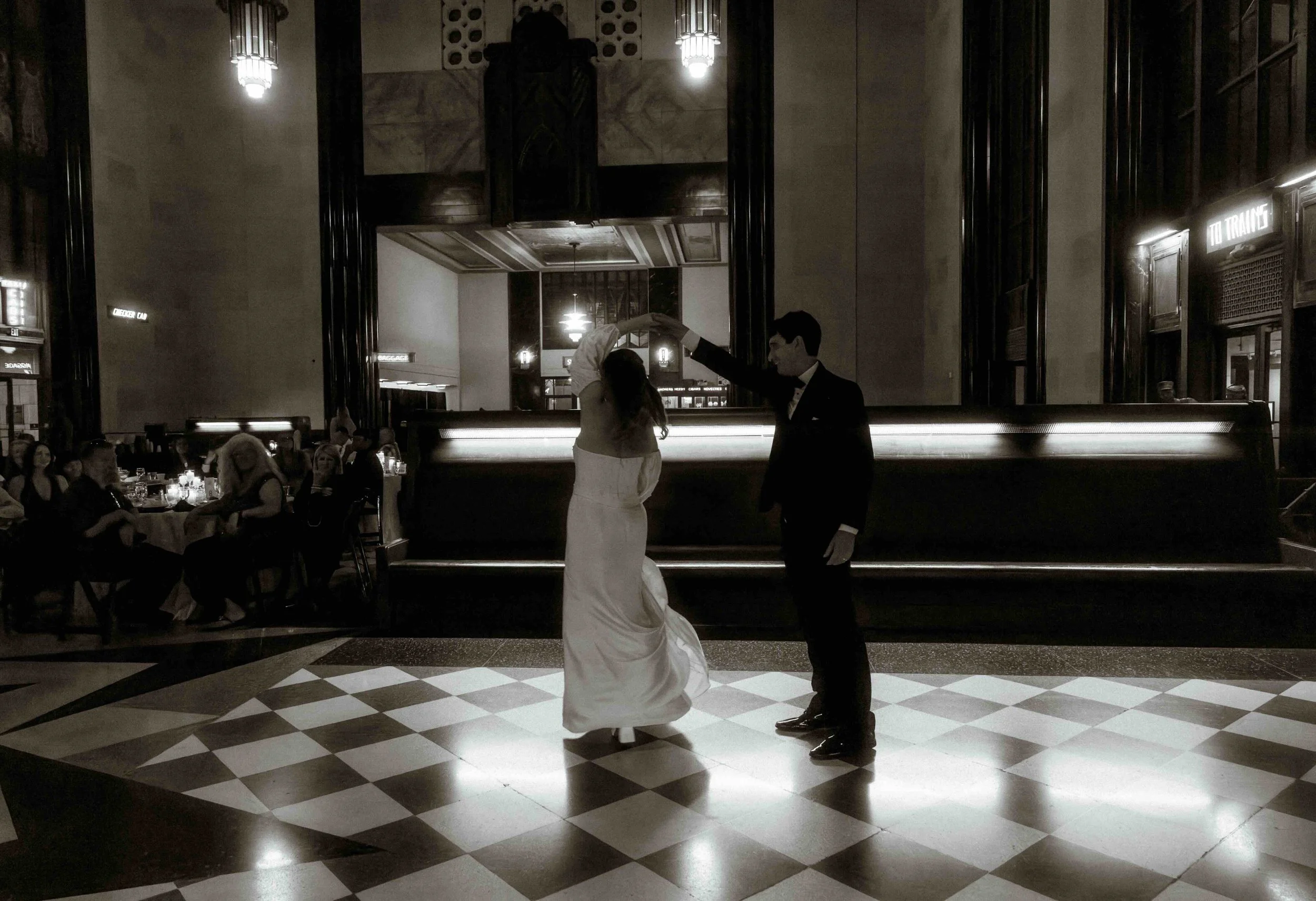
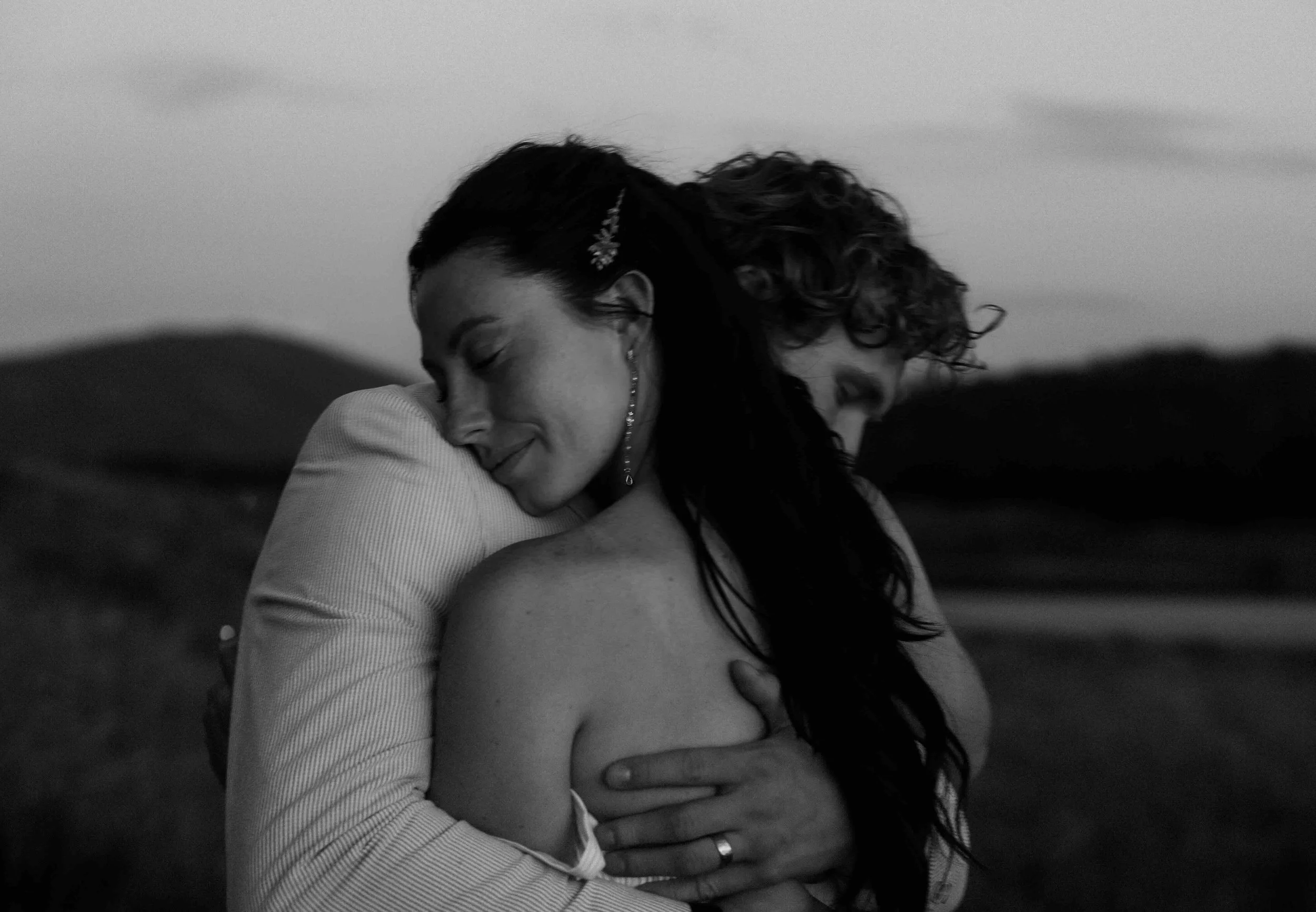
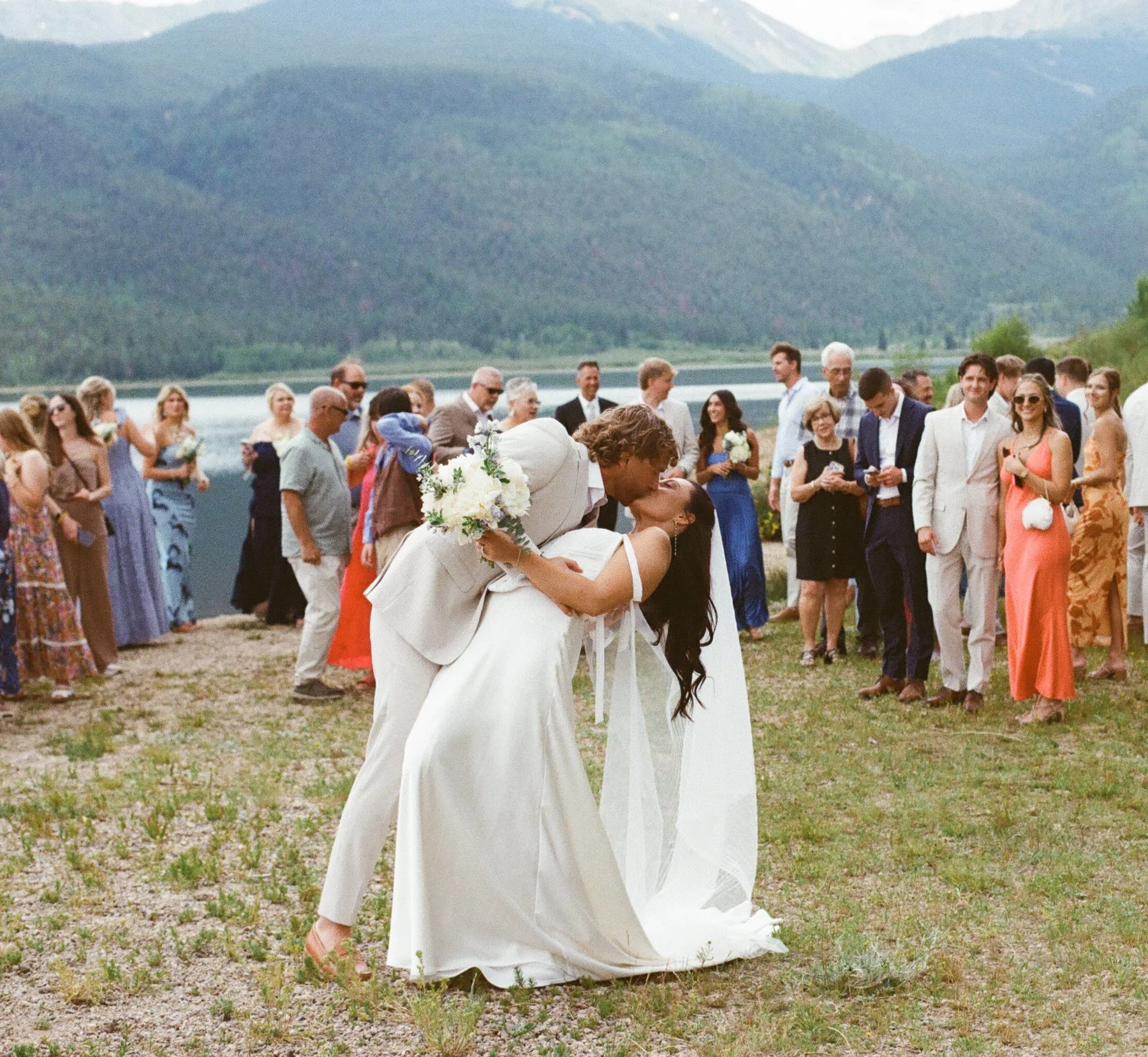
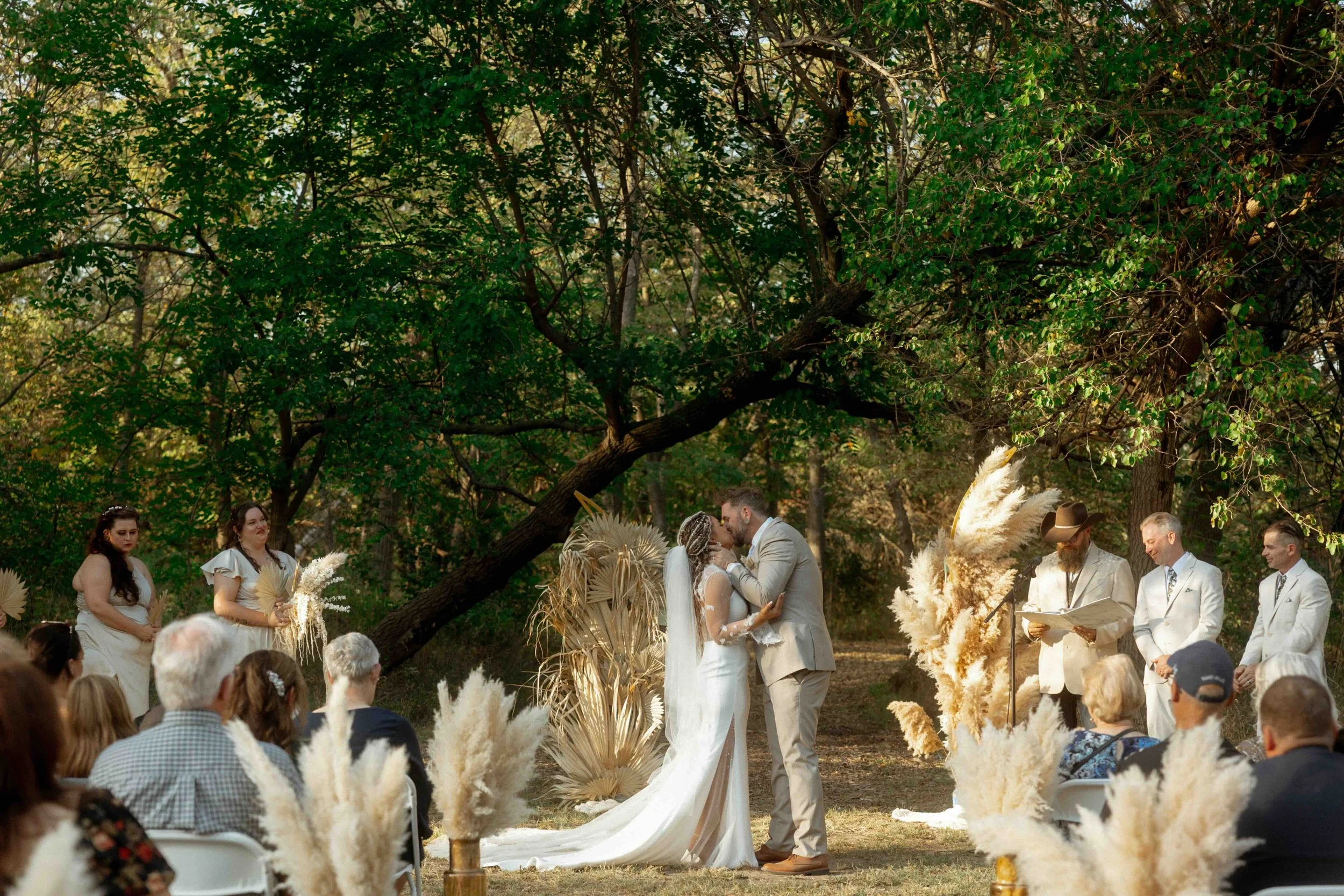
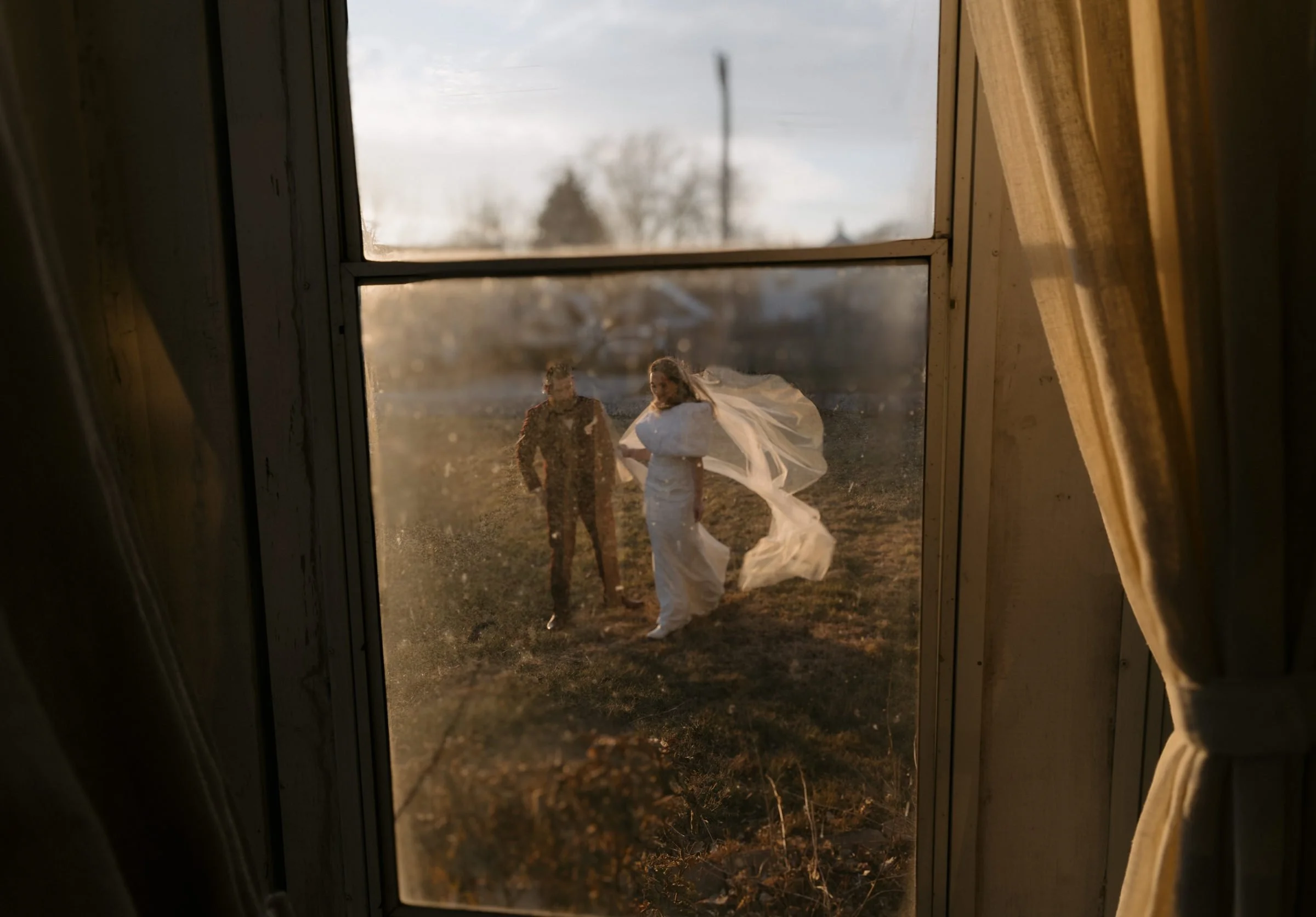
Documentary photography is about observing, not orchestrating.
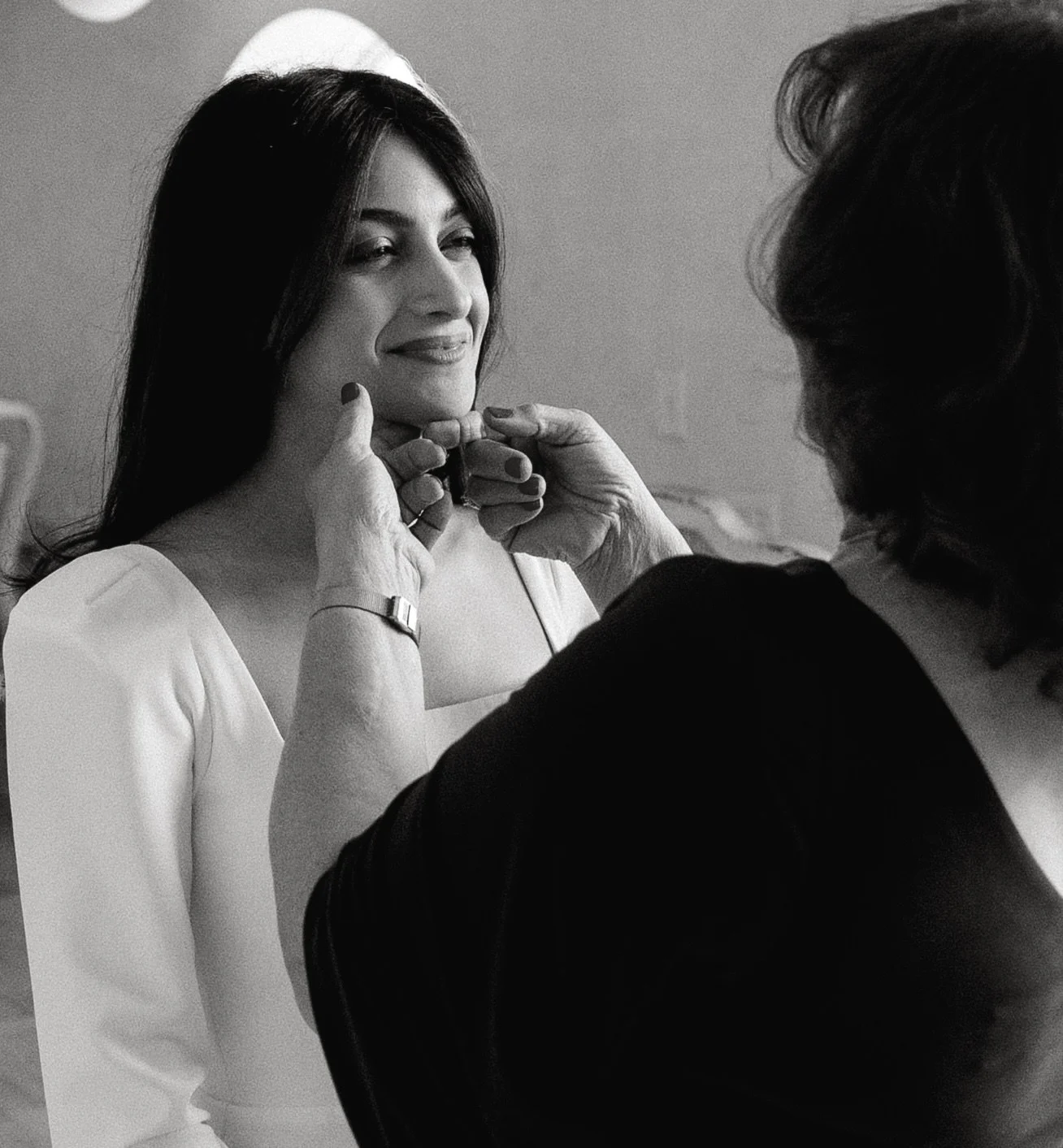
It’s quiet. It’s patient. It’s rooted in real moments as they unfold—without interruption, posing, or “okay wait, do that again.” I’m watching for the in-between stuff: the nervous hands, the spontaneous laughter, the way someone looks at you when they think no one’s paying attention.
There’s very little directing here. The light is what it is. The moment is what it is. And that’s the whole point.
Documentary images often feel:
Honest and emotional
Unpolished in the best way
Deeply personal
Like memories, not performances
This style shines when the goal is truth—capturing what actually happened, not what it looked like from the outside.



Editorial Photography: Shaping the Story
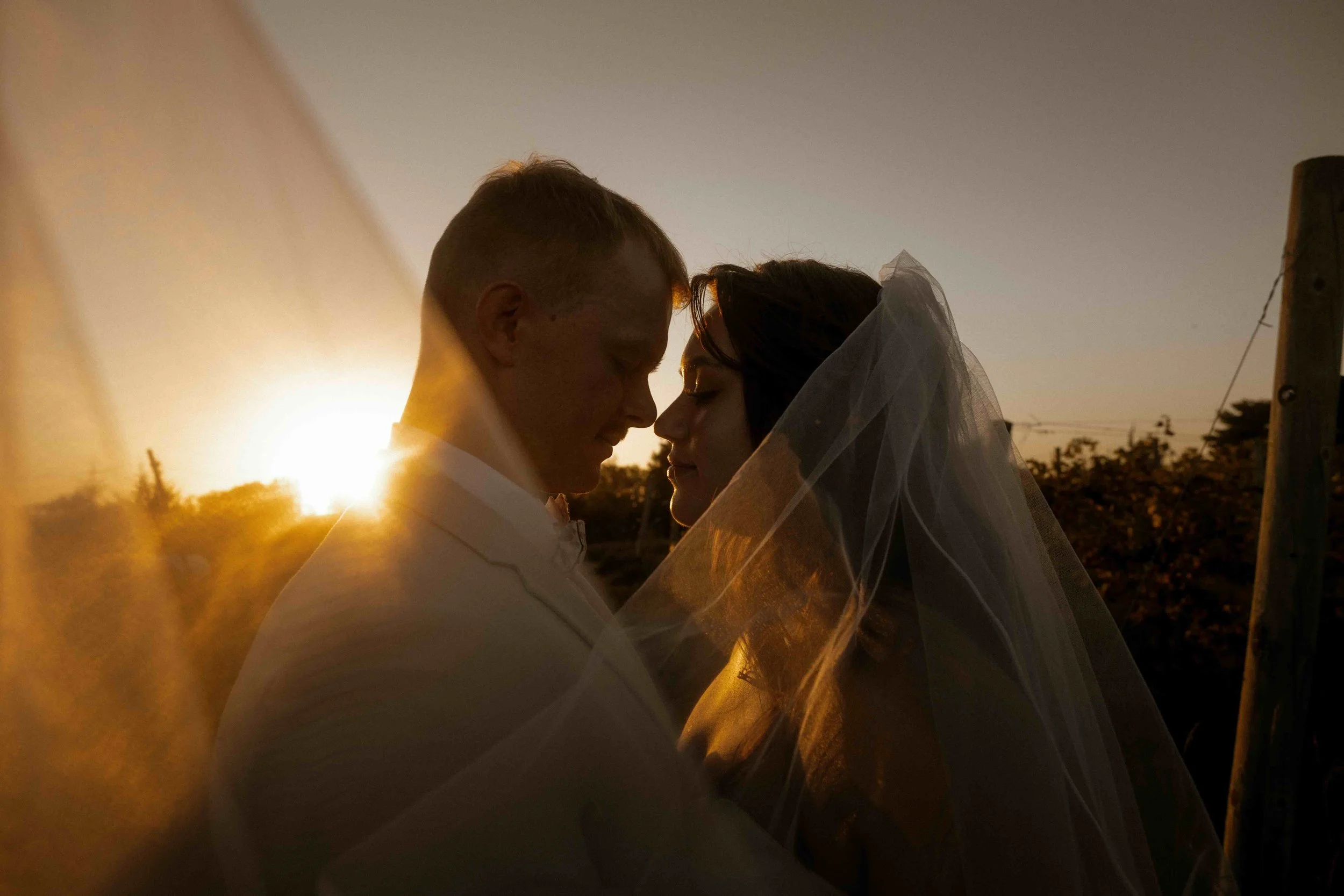
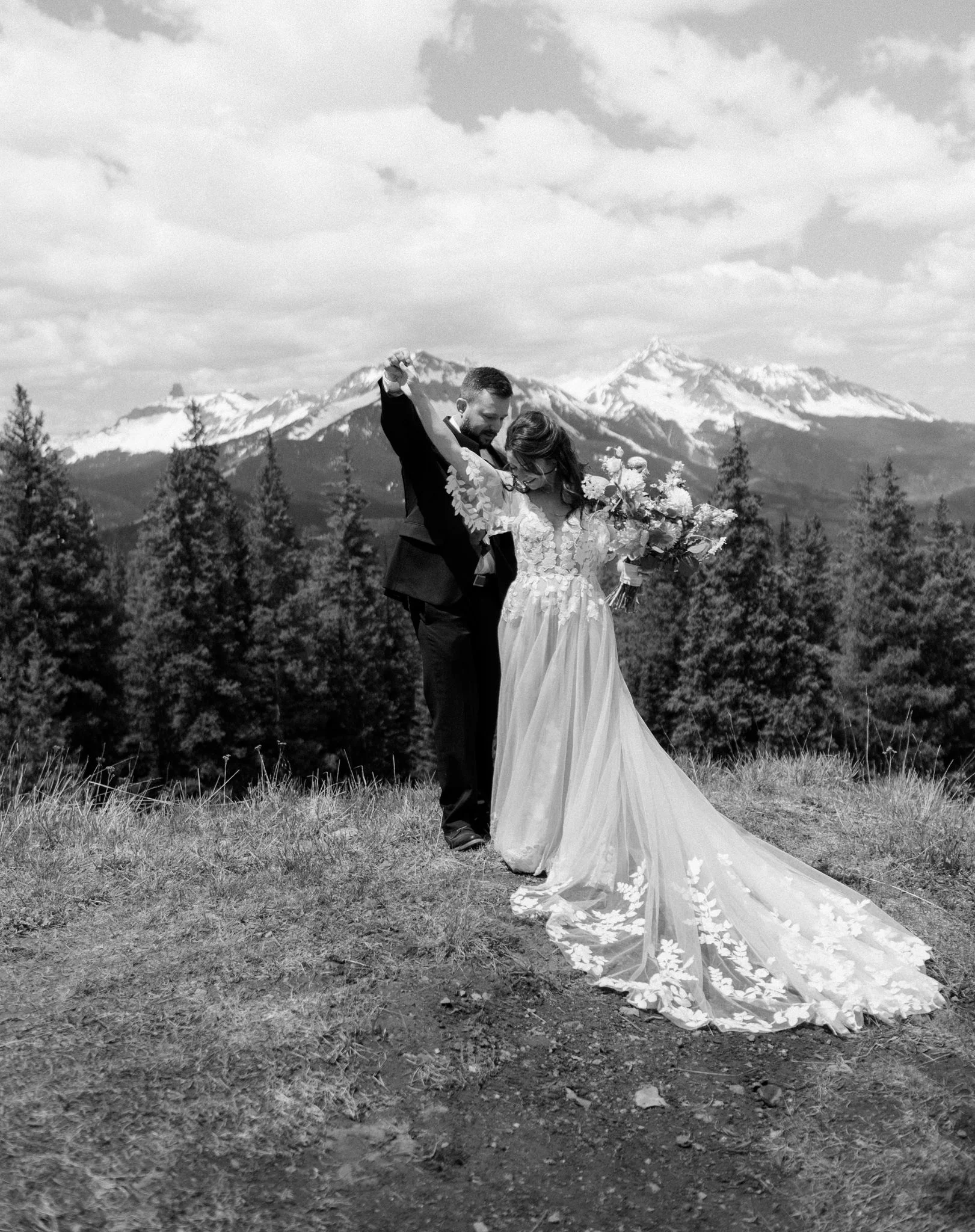
Editorial photography is more intentional and guided.
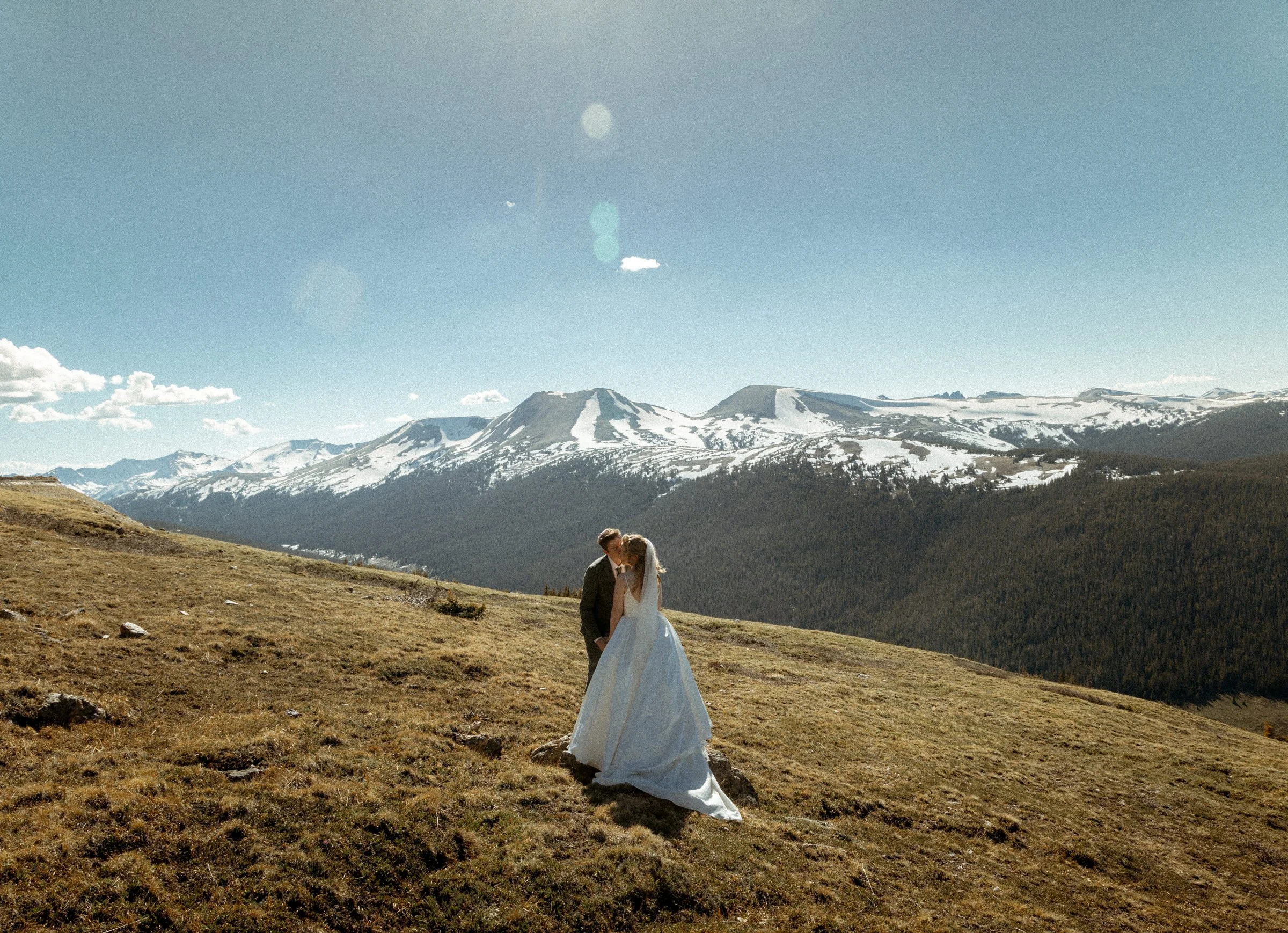
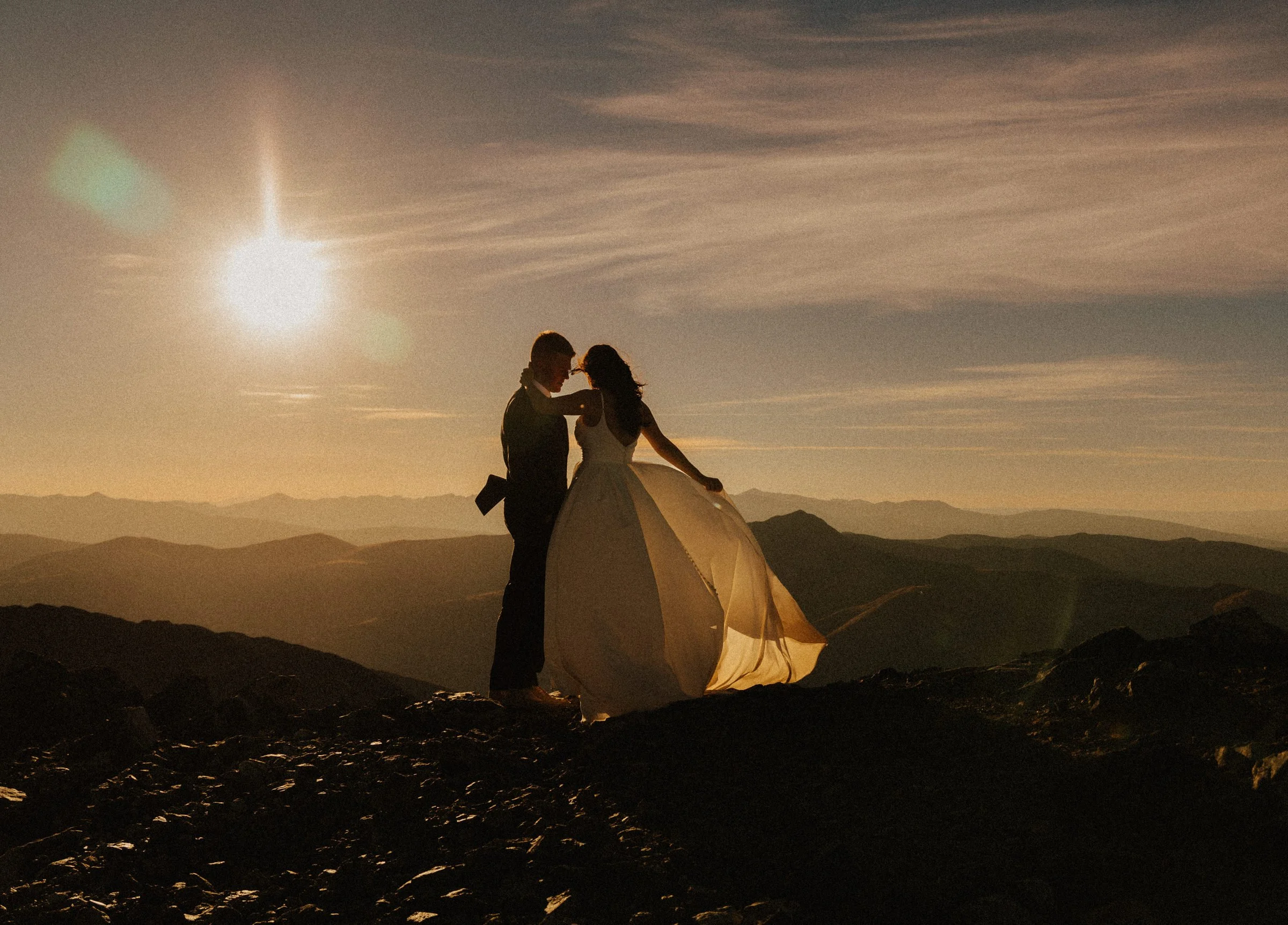
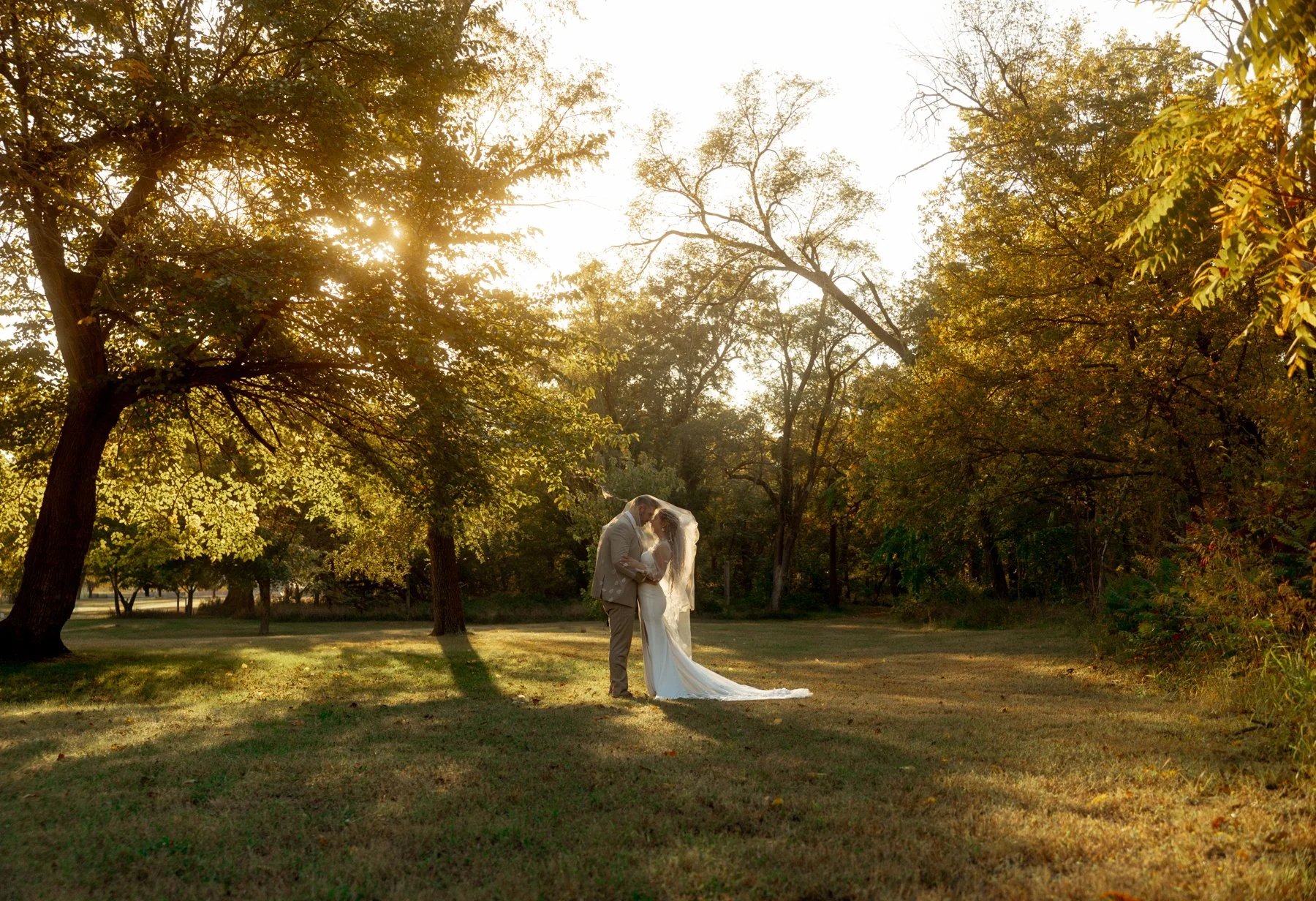
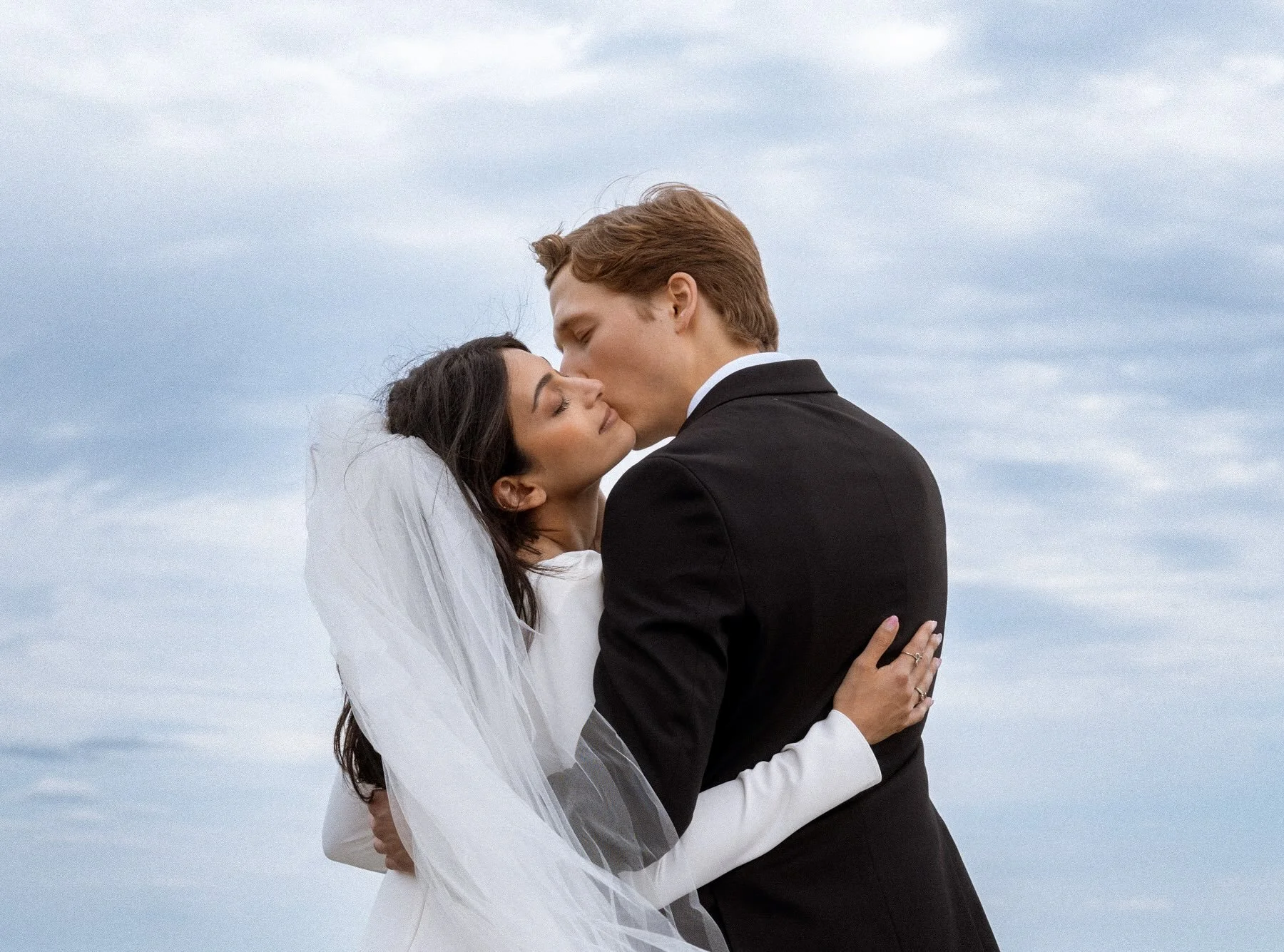
Here, I’m stepping in and directing—adjusting posture, choosing a location, shaping the light, refining the frame. The goal isn’t just to document a moment, but to create an image with a specific feeling or visual impact.
Think magazine spreads, fashion campaigns, or those beautifully composed portraits where everything just clicks.
Editorial images often feel:
Polished and cinematic
Styled and intentional
Visually striking
Designed to make a statement
This style is less about spontaneity and more about clarity—how the image reads, what mood it sets, and how it tells a story at a glance.
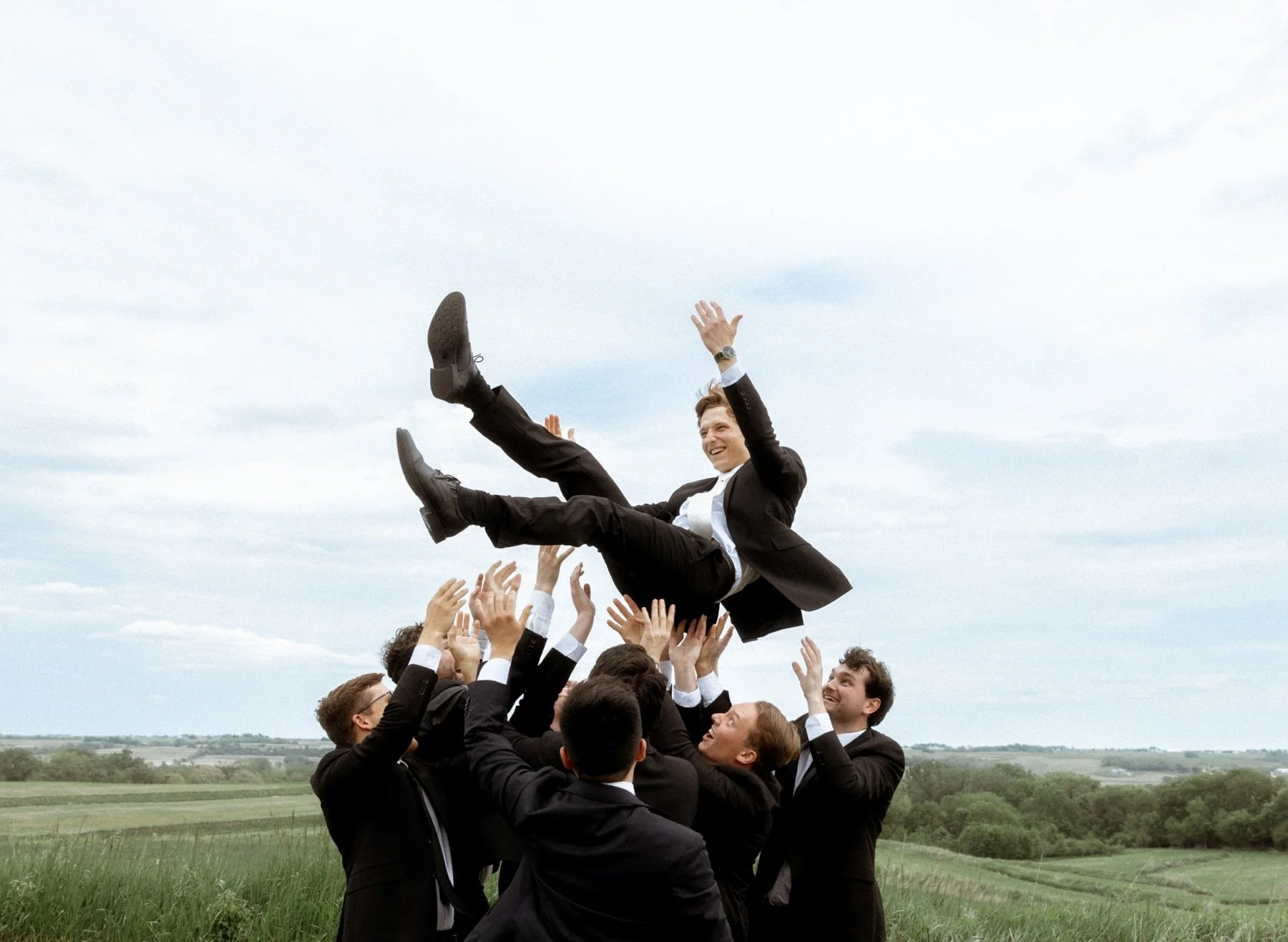
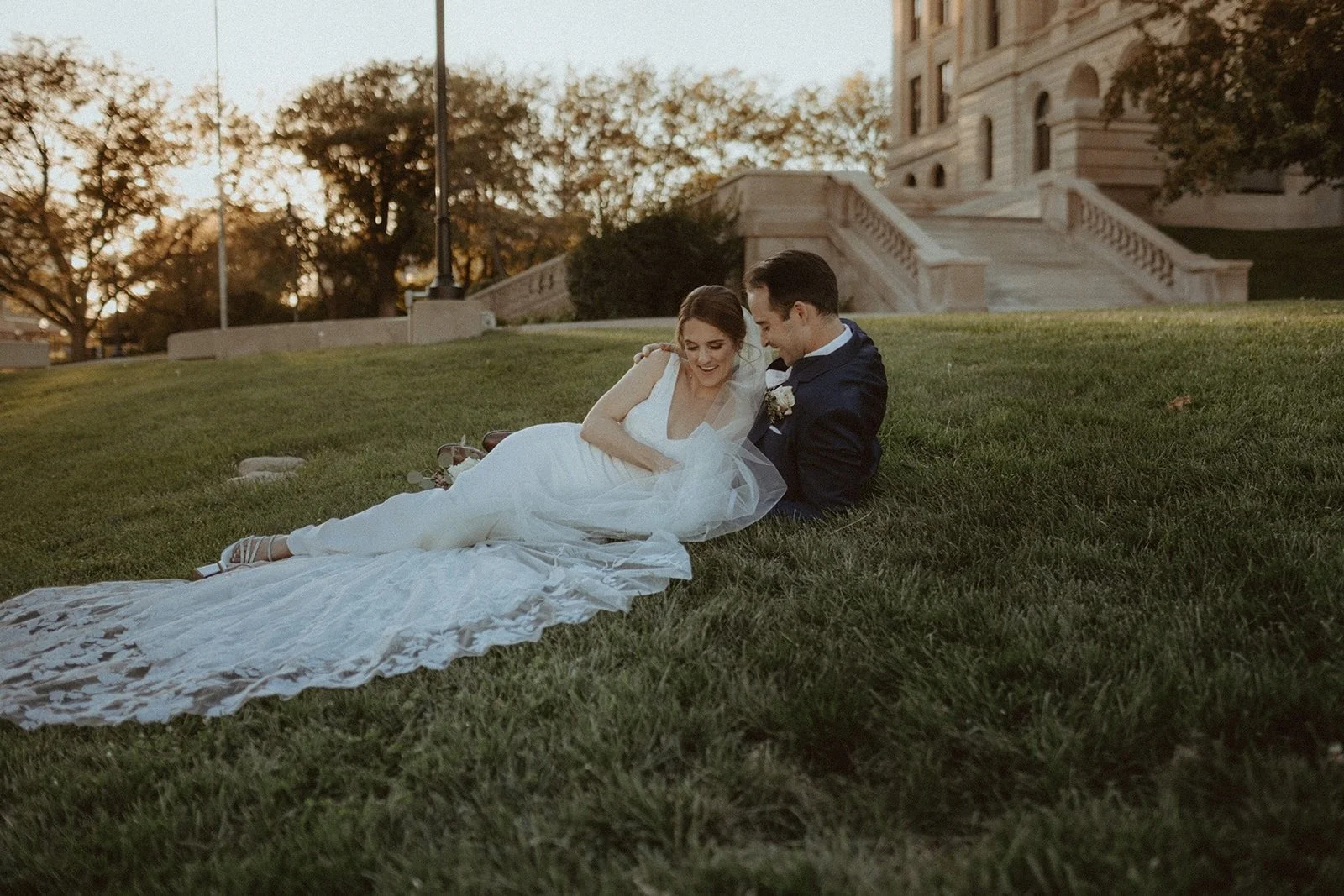
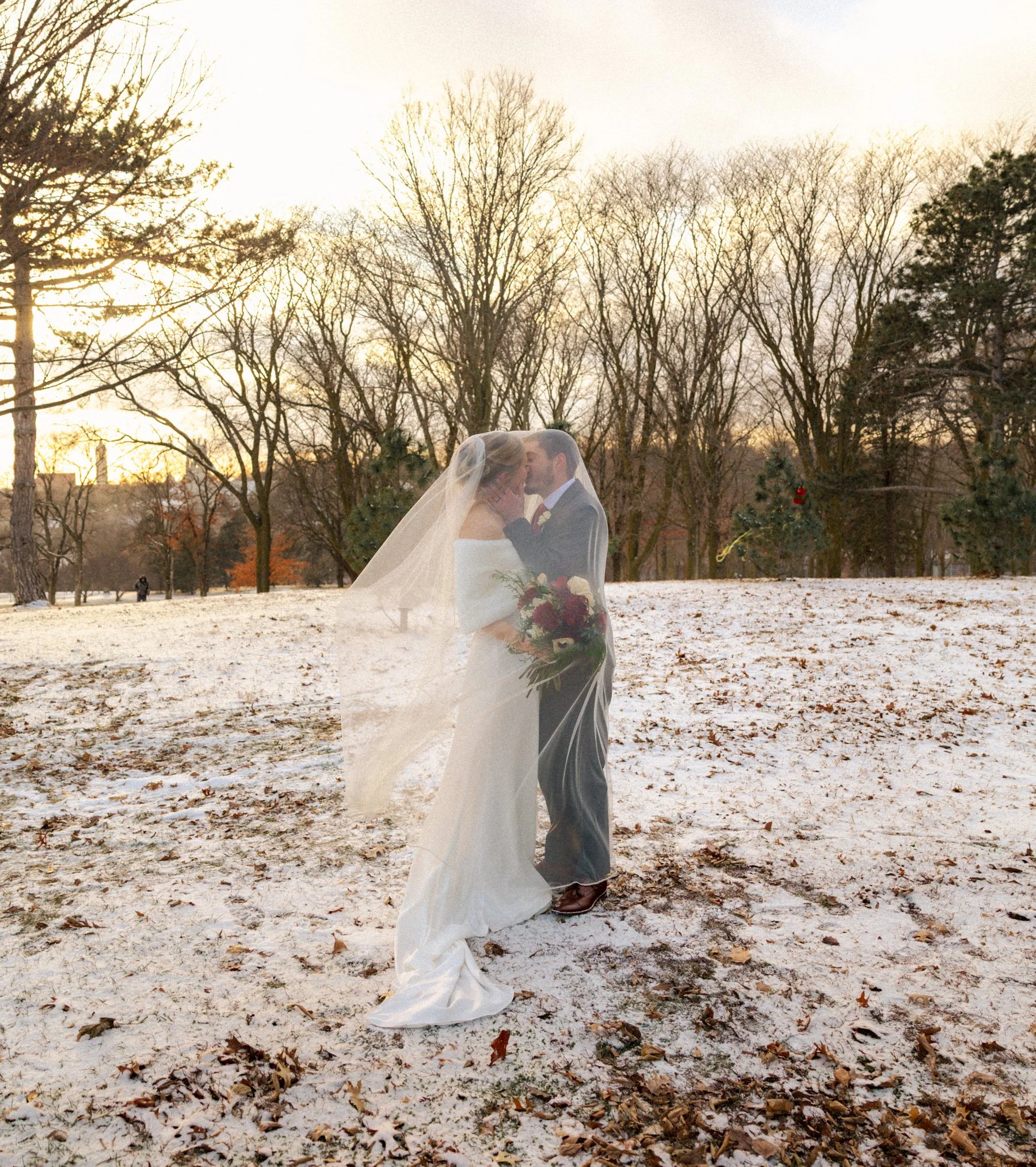
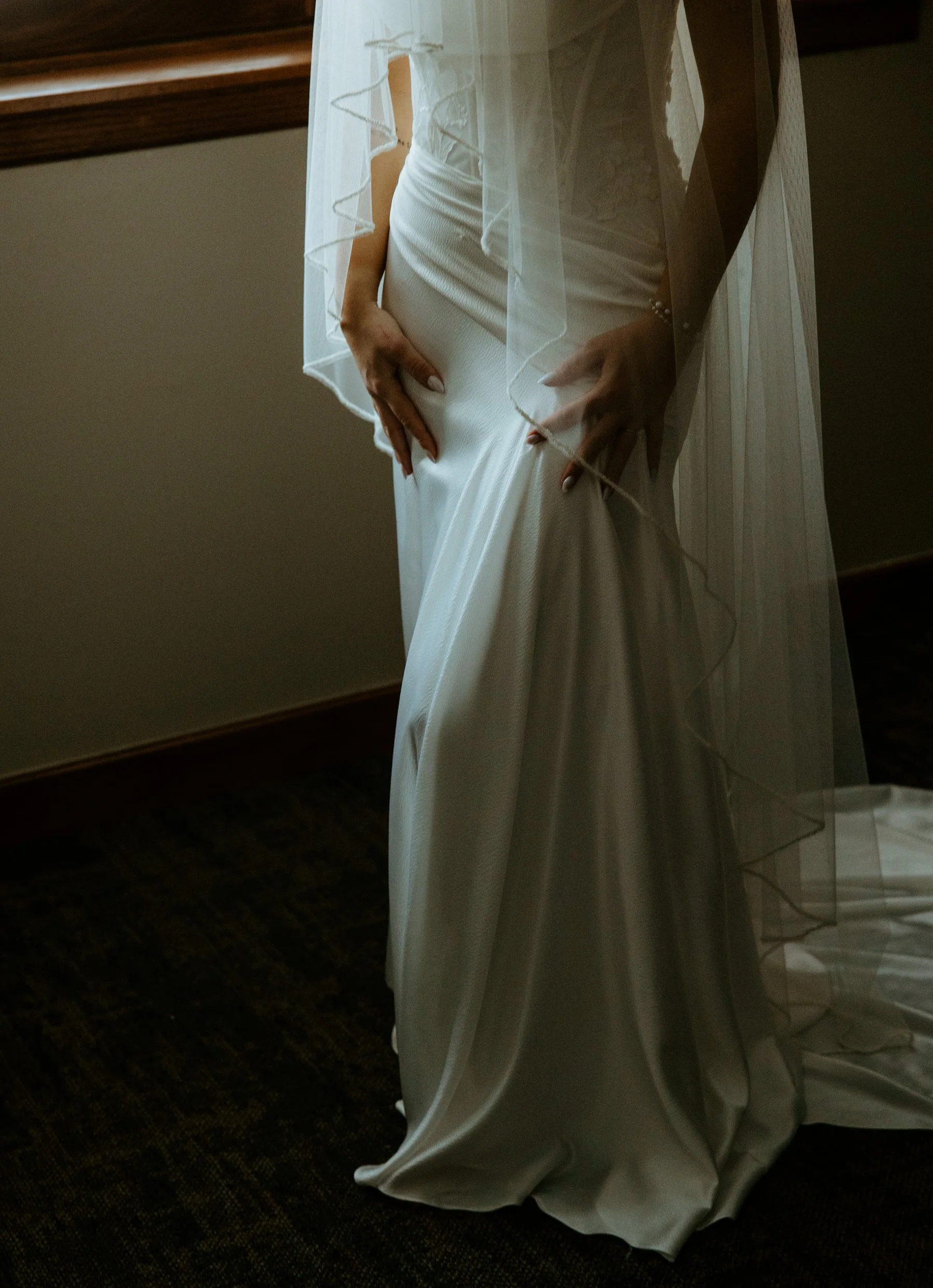
So… Which One Is Better?
Neither. And both.
Most of the work I love (and create) lives somewhere in the middle.
I want the real moments—the unscripted joy, the chaos, the tenderness. That’s documentary.
But I also want a handful of images that feel elevated, intentional, and timeless. That’s editorial.
The magic happens when you let real life unfold and know when to gently step in and shape the frame.
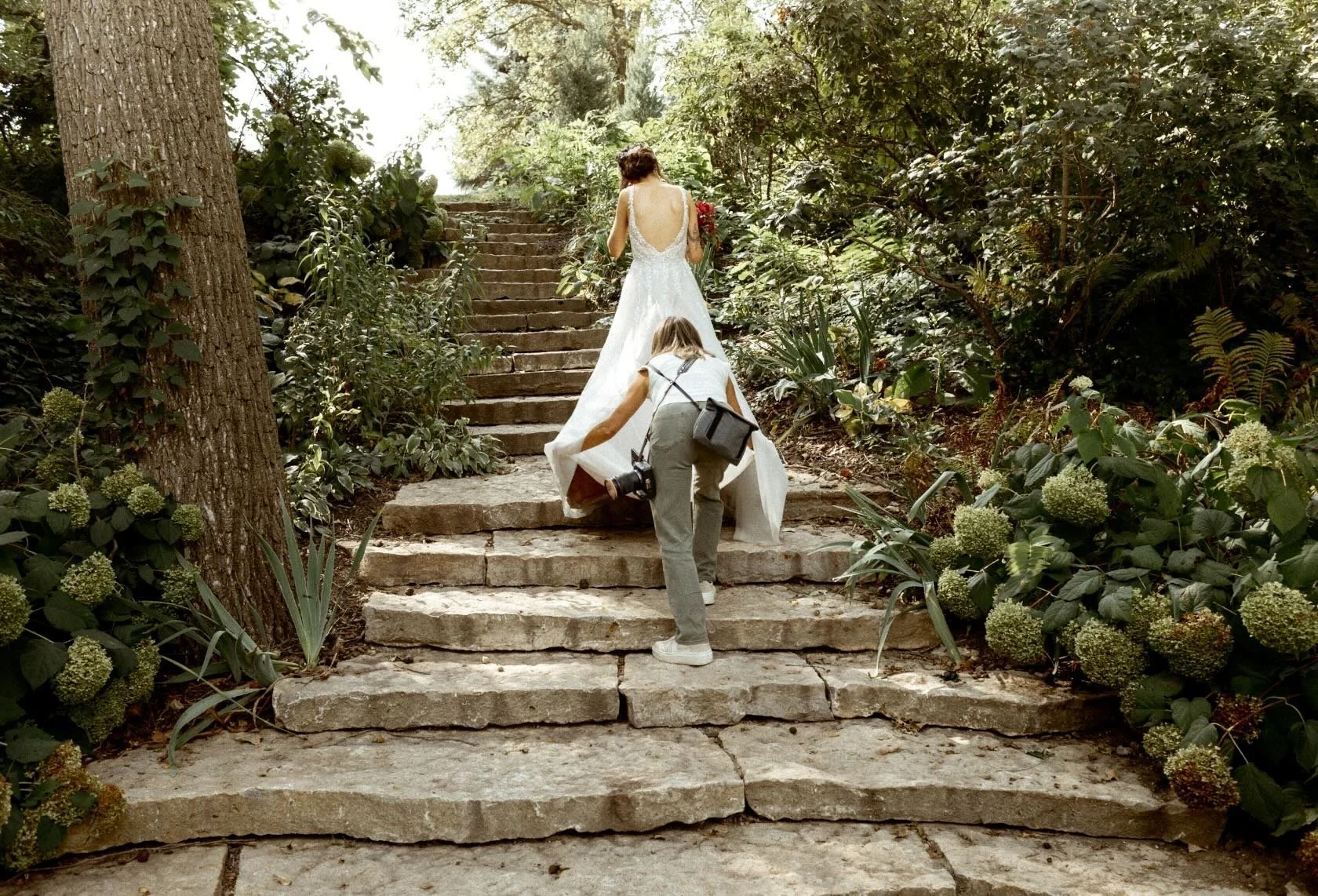
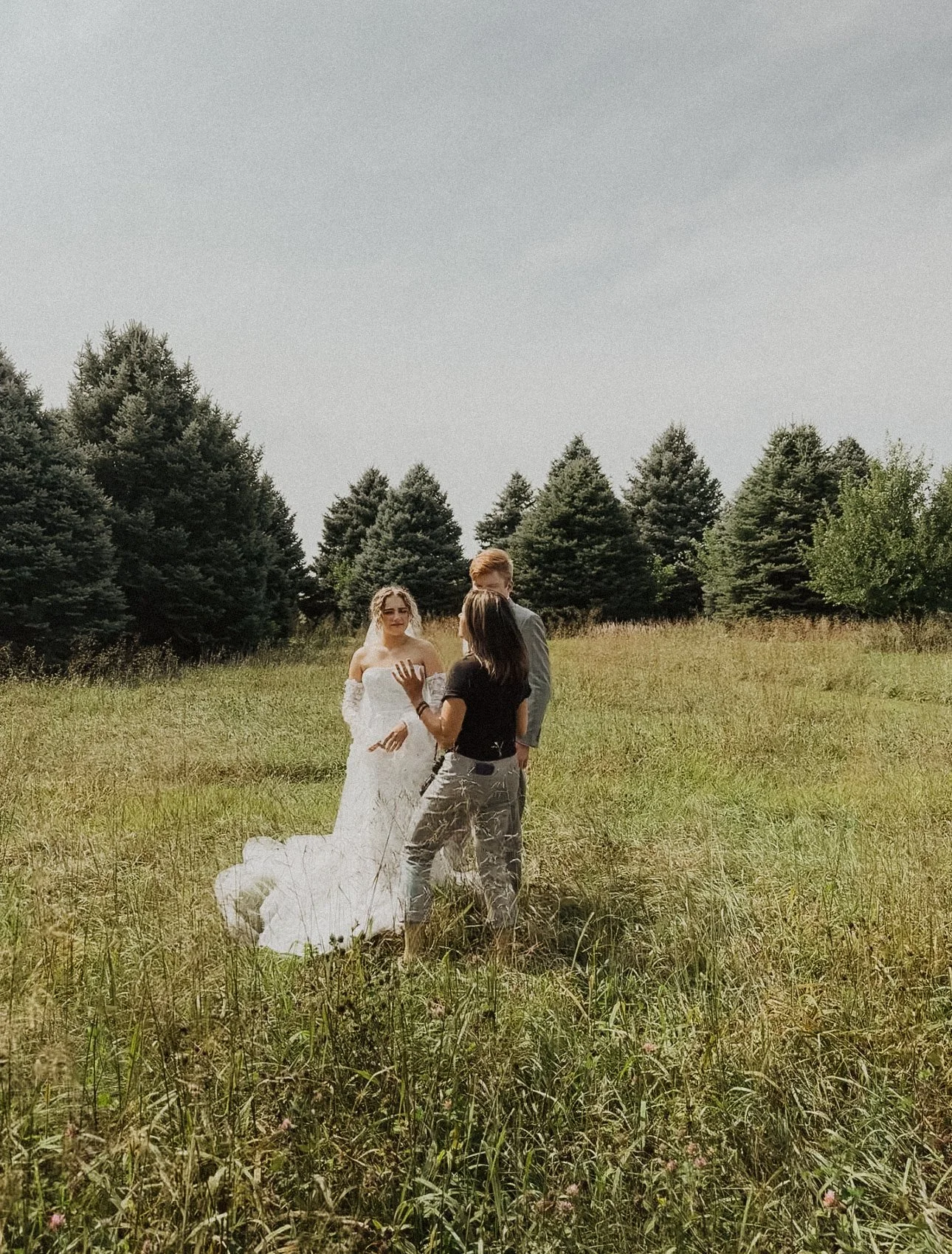
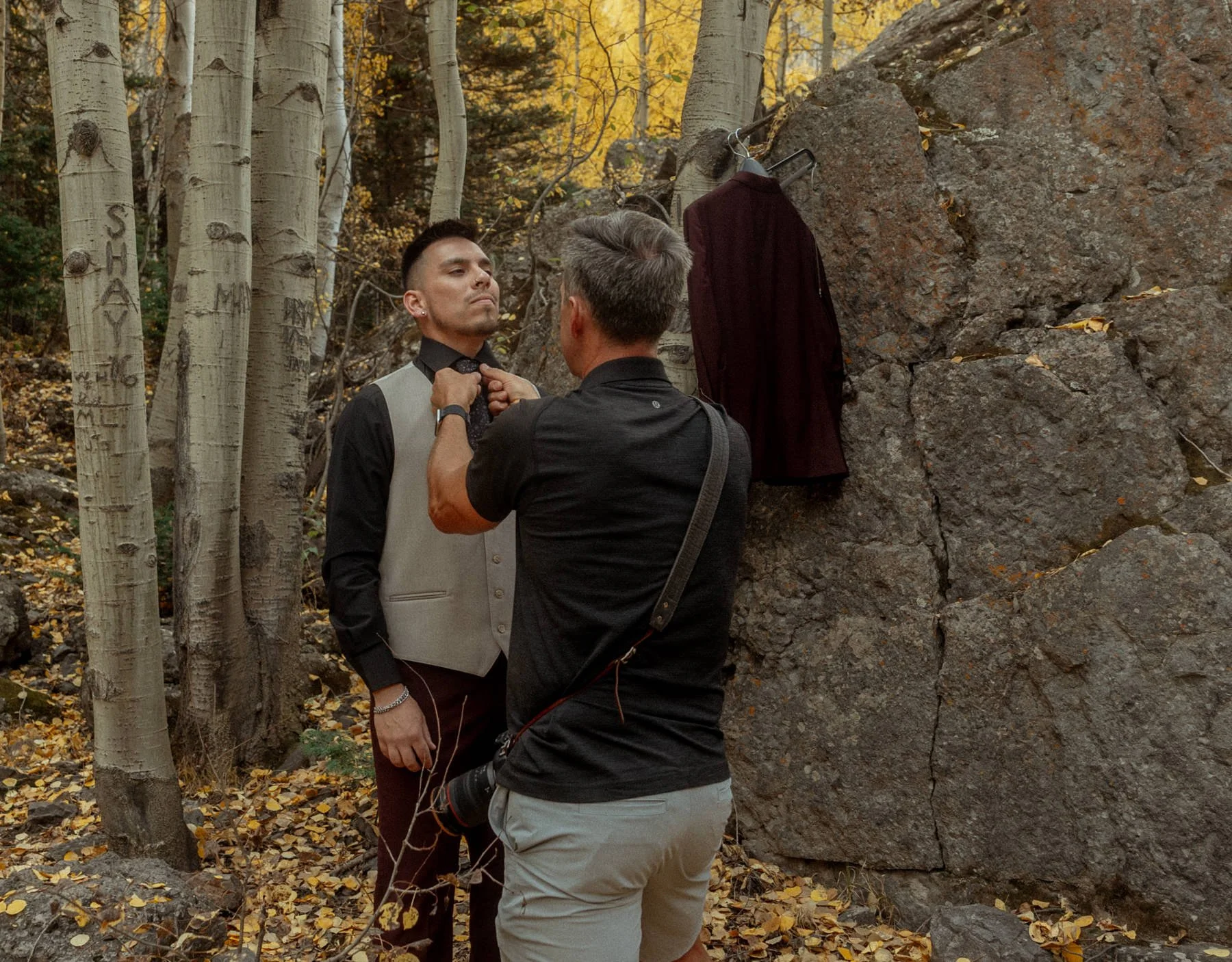

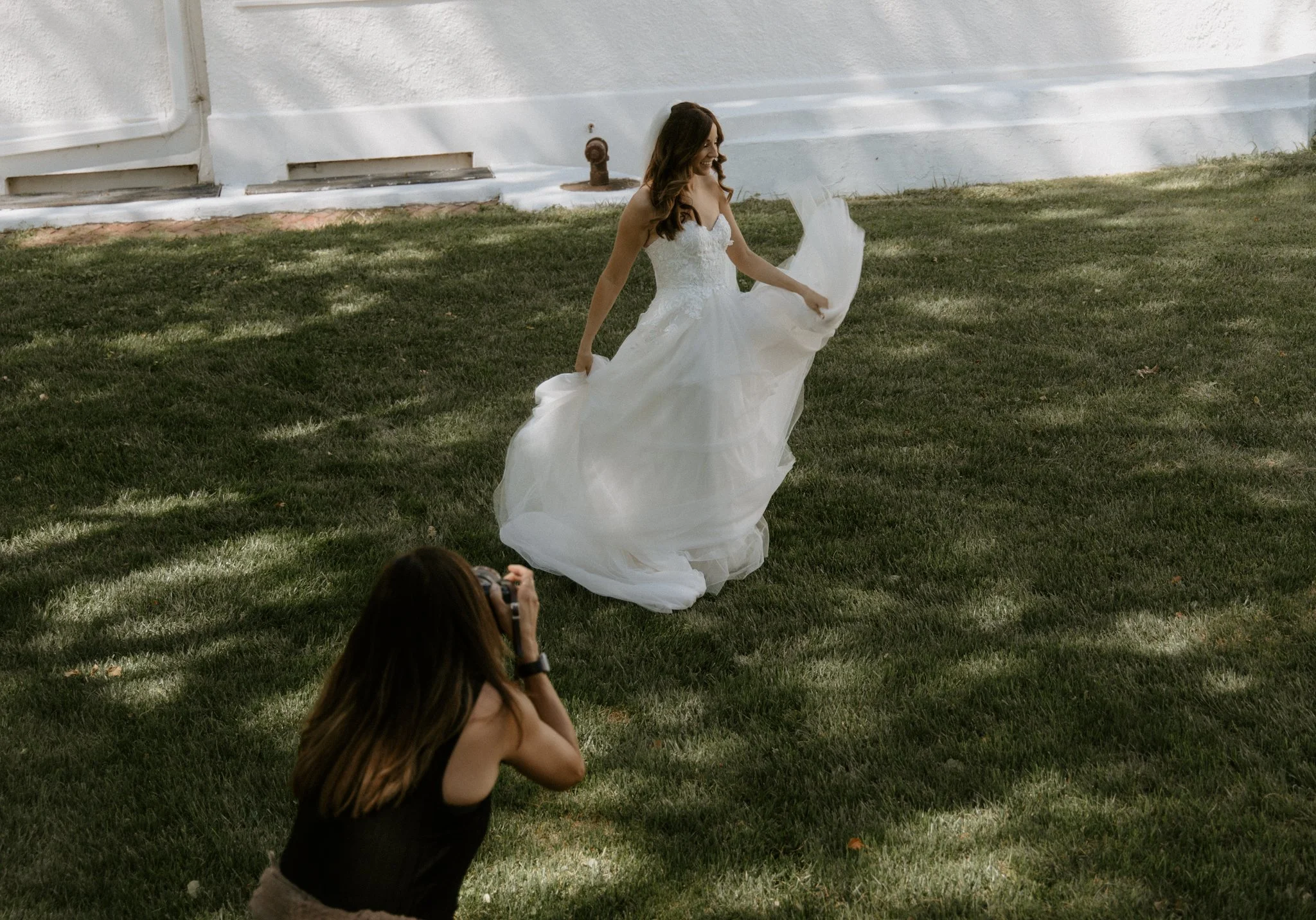
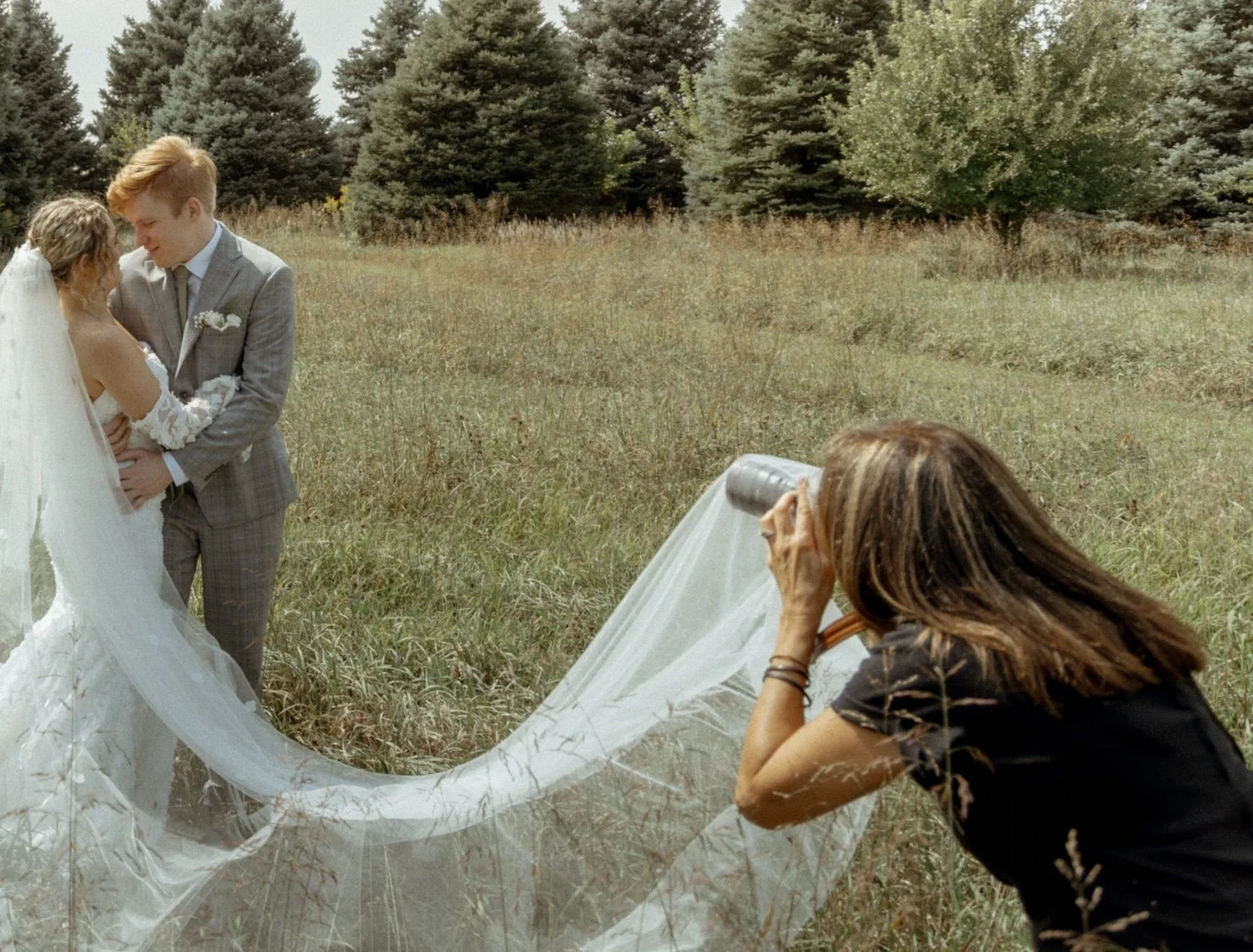
The simplest way to think about it
Documentary photography says: “This is what it felt like.”
Editorial photography says: “This is how I’m choosing to tell the story.”
When those two work together, you don’t just get photos—you get a narrative that feels both honest and artful. And that’s always the goal.